
By K. Jahangir
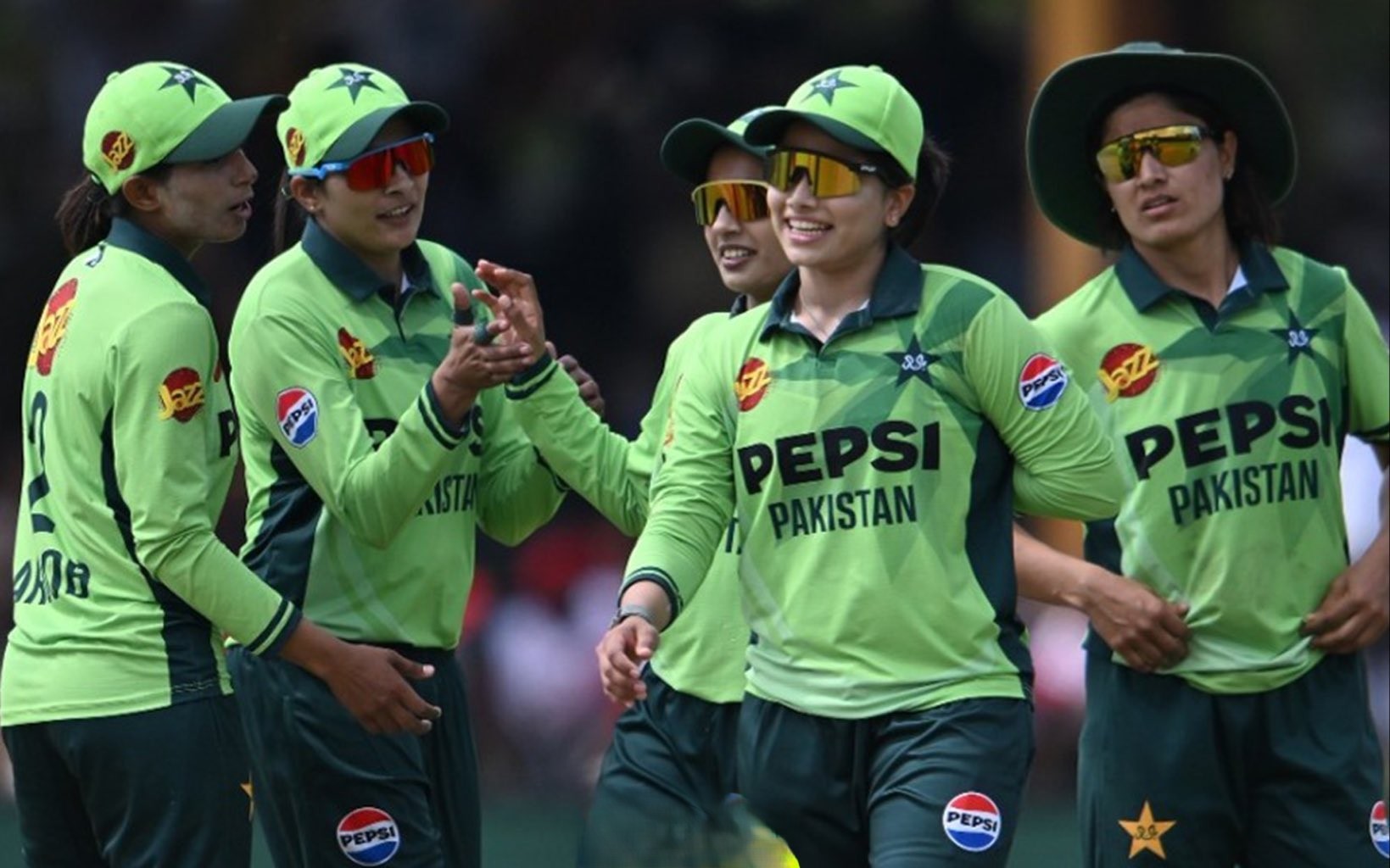
Pakistan Women’s cricket is staring at an uncomfortable truth. Defeats against quality sides are no longer occasional setbacks — they have become a pattern. The recent ODI losses to South Africa women’s national cricket team, including a comprehensive defeat at the Mangaung Oval, have once again exposed the widening gap between Pakistan and the leading sides of women’s cricket.
And unless deep structural reforms are made immediately, the already sinking ship of Pakistan women’s cricket may drift further into irrelevance — particularly in high-pressure ICC events.
The Bloemfontein Reality Check
In the rain-shortened ODI, South Africa posted a competitive 260-6 in 41 overs, powered by a masterclass from Sune Luus, who remained unbeaten on 93 and later picked up crucial wickets. A late unbeaten 90-run stand between Luus and Sinalo Jafta turned a manageable total into a daunting one.
To Pakistan’s credit, there were sparks of resistance. Sidra Amin (68) and Ayesha Zafar (81) stitched together a record 126-run partnership — a rare positive in an otherwise familiar script. But as has often been the case, individual brilliance could not mask collective shortcomings.
The inability to close out innings with the ball, the lack of finishing power with the bat, and the absence of mental resilience at decisive moments once again proved costly.
The Real Reason: Merit Ignored, Youth Neglected
Let’s confront the core issue. The biggest reason behind Pakistan Women’s continued decline against major teams is the persistent reluctance to inject genuine young talent into the side purely on merit.
When selection is not ruthless, performance standards inevitably fall. When underperforming senior players continue to get extended runs without accountability, hunger disappears. And when promising young cricketers are denied consistent opportunities, the bench strength weakens.
Modern women’s cricket demands athleticism, power-hitting, fielding excellence, and tactical awareness. Pakistan, unfortunately, continues to lag in these departments. The gap becomes glaringly obvious in ICC tournaments, where the world’s best expose structural weaknesses.
Structural Flaws Beyond Selection
The problems, however, run deeper than team selection:
1. Domestic Structure Lacks Competitive Edge
The domestic women’s circuit does not consistently replicate international intensity. Without high-quality competition at home, players struggle to adapt to elite opposition abroad.
2. Fitness and Fielding Standards
Top teams treat fitness as non-negotiable. Pakistan’s sluggish fielding and inconsistent running between the wickets frequently undo hard-earned gains.
3. Tactical Stagnation
Modern cricket evolves rapidly. Data analytics, match-ups, aggressive batting templates — leading teams innovate constantly. Pakistan’s approach often appears reactive rather than proactive.
4. Mental Conditioning
In ICC events, Pakistan repeatedly falters in crunch moments. This is not merely technical; it is psychological. Big teams believe they will win. Pakistan often looks like a side hoping not to lose.
The Cost of Complacency
If the Pakistan Cricket Board does not urgently reassess its women’s cricket framework, the consequences will be severe. Whitewashes will become routine. ICC campaigns will end prematurely. And the confidence of talented young girls watching from grassroots levels will erode.
Pakistan does not lack talent. Across cities and smaller towns, there are fearless young cricketers waiting for opportunity. But talent without transparent pathways is wasted potential.
The Way Forward
Rebuilding Pakistan Women’s cricket requires bold, uncomfortable decisions:
- Immediate merit-based selections
- Phasing out consistently underperforming seniors
- Expanding domestic competitiveness
- Prioritizing fitness and fielding benchmarks
- Long-term planning for ICC cycles
Reform must be structural, not cosmetic.
Final Word
Pakistan Women’s cricket stands at a crossroads. Continue with the status quo and endure repetitive humiliation — or choose courage, reform, and renewal. The choice lies with the system.
Until merit truly governs selection and youth is trusted with responsibility, Pakistan will continue to struggle against top sides like South Africa women’s national cricket team — and continue to underperform when it matters most. The time for polite criticism is over. What Pakistan Women’s cricket needs now is decisive action.
 English